مدونات طبية
معلومات طبية موثوقة ونصائح شاملة للحفاظ على صحتك وعائلتك بأسلوب سهل ومفهوم للجميع
احجز موعدك الآن
Sleep Apnea
Sleep apnea is a sleep disorder characterized by repeated pauses in breathing during sleep. These interruptions can last for a few seconds and occur multiple times per night, leading to poor sleep quality and health complications if left untreated.
Types of Sleep Apnea
- Obstructive Sleep Apnea: caused by blockage of the airway due to relaxed throat muscles
- Central Sleep Apnea: occurs when the brain fails to send proper signals to the breathing muscles
- Complex Sleep Apnea Syndrome: a combination of both obstructive and central sleep apnea
Symptoms of Sleep Apnea
- Loud snoring
- Gasping or choking during sleep
- Daytime sleepiness and fatigue
- Morning headaches
- Difficulty concentrating and mood changes
Risk Factors
- Obesity and excess neck fat
- Smoking and alcohol consumption
- Family history of sleep apnea
- Older age and male gender
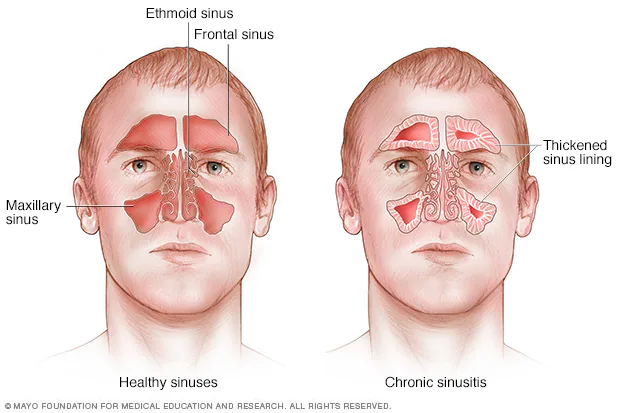
- Nasal congestion or structural problems in the airway
Treatment Options
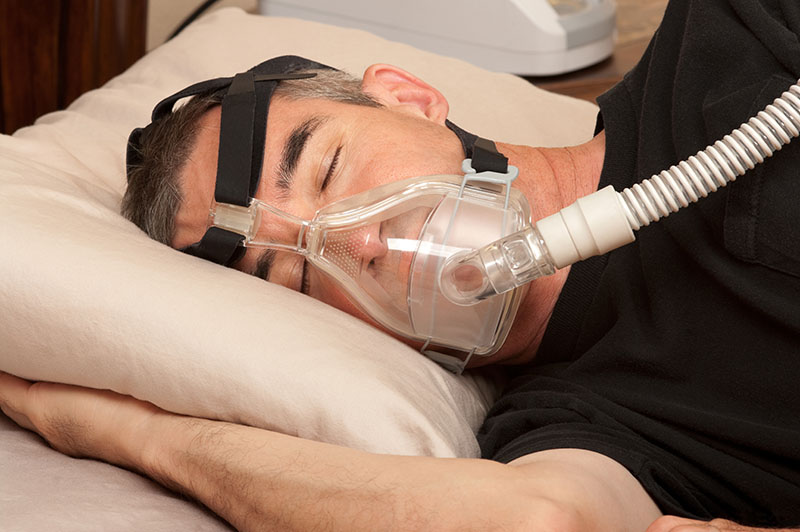
Treatment depends on the type and severity of sleep apnea. Lifestyle changes such as weight loss, quitting smoking, and avoiding alcohol may help. Continuous Positive Airway Pressure (CPAP) devices are commonly used. In severe cases, surgery may be recommended to correct airway problems.
When to See a Doctor
If you or your partner notice frequent snoring, pauses in breathing, or excessive daytime sleepiness, consult an ENT or sleep specialist for evaluation. Early treatment can improve sleep quality and prevent serious complications such as heart disease and high blood pressure.